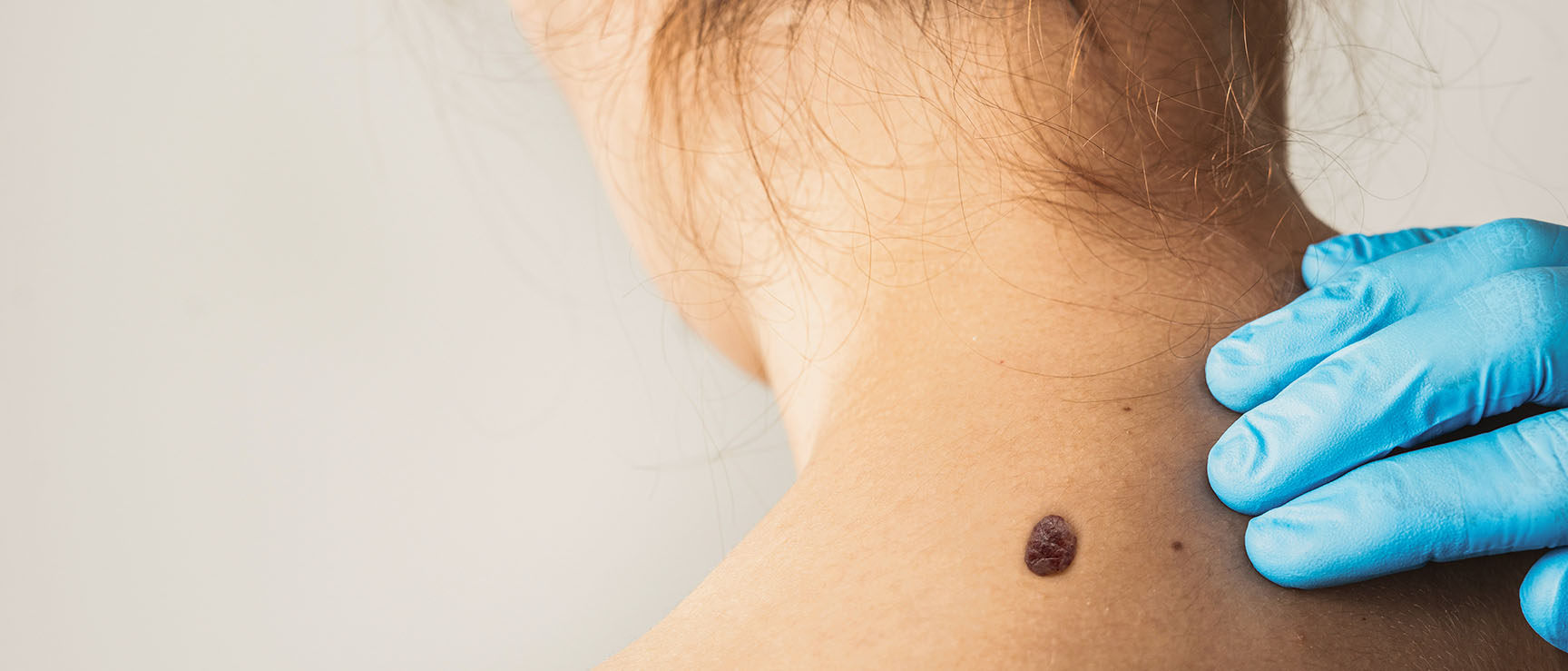
Treat chronic sun damage and actinic keratoses early
Years of UV exposure can leave visible marks on the skin. In addition to pigment changes and a rougher skin texture, actinic keratoses can develop – localized, often rough or scaly skin lesions that should be evaluated by a dermatologist.
Photodynamic therapy (PDT) can be a suitable treatment option for extensively sun-damaged skin and certain actinic keratoses. In this procedure, altered skin cells are first prepared with a photosensitizing agent and then selectively treated with light.
Which therapy is appropriate in each individual case depends on the severity, location, and number of skin lesions. Therefore, a dermatological examination and a careful assessment of the findings precede any treatment.
- Targeted surface therapy
- Early treatment
- Medical follow-up
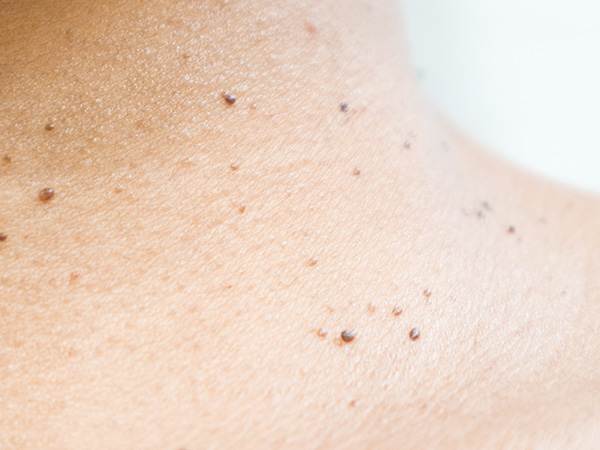
Photodynamic therapy (PDT) for actinic keratoses
Photodynamic therapy allows for the targeted treatment of larger areas of sun-damaged skin. After applying a photosensitizing agent, the prepared areas are irradiated with a suitable light source. This specifically targets altered cells.
Photodynamic therapy (PDT) can be particularly useful when multiple actinic keratoses or extensive UV-induced changes are present. We will determine whether this procedure is suitable for your specific case or whether another treatment is preferable during a dermatological examination.
Recognizing actinic keratoses and assessing treatment needs
Before undergoing topical therapy, it is therefore important to examine the affected areas carefully. Further diagnostic steps may be necessary in cases of unclear or suspicious changes. Only then do we decide whether PDT or another approach is medically appropriate for the specific findings.
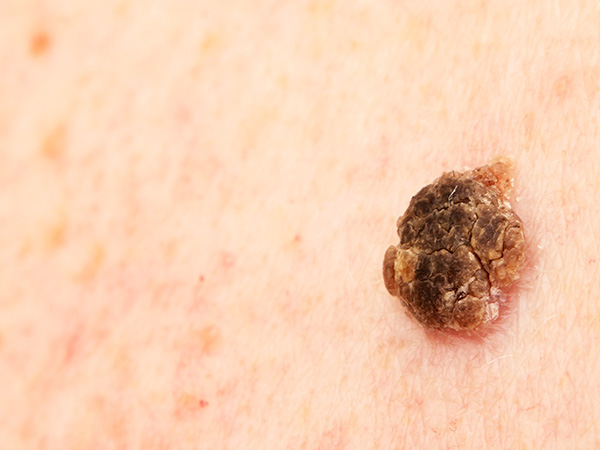
Actinic keratoses often develop on areas of skin that have been exposed to the sun for many years, such as the face, scalp, or backs of the hands. They can appear as rough, scaly patches and are considered UV-induced skin changes that require treatment. However, not every noticeable lesion can be reliably classified based on its appearance alone.
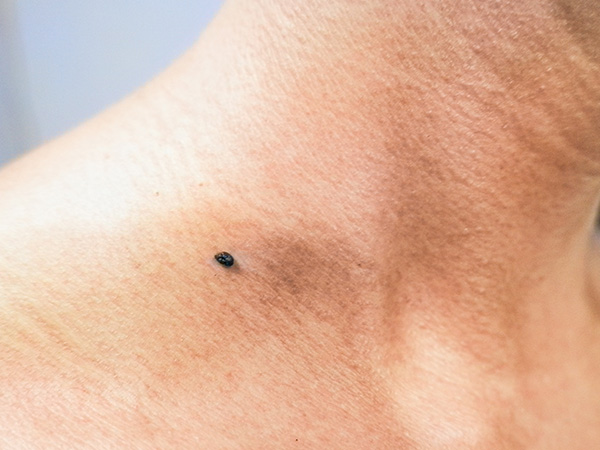
Diagnostics & Procedure of PDT Treatment
Dermatological examination
At the beginning, we assess the affected skin areas and determine the nature of the changes. Any unusual or unclear findings are classified dermatologically before treatment begins.
Individual therapy decision
Based on the findings, we will discuss whether photodynamic therapy is appropriate or whether other methods are more suitable. We will also consider the location, extent, and number of lesions.
Treatment & Aftercare
Treatment is carried out according to the established therapy plan. Afterwards, we will inform you about the expected skin reaction, proper aftercare, and necessary sun protection. Follow-up appointments may be part of your ongoing care.
Frequently asked questions about actinic keratoses & photodynamic therapy
Actinic keratoses are skin changes caused by long-term UV exposure. They often appear as rough, scaly, or reddened patches and are considered an early form or precursor to certain types of non-melanoma skin cancer. Therefore, they should be evaluated by a dermatologist.
Photodynamic therapy (PDT) can be used particularly for multiple or widespread actinic keratoses. Whether it is suitable for your specific case depends on various medical factors and will be determined after the examination.
The affected skin areas are prepared with a photosensitizing agent and, after a predetermined exposure time, are selectively exposed to light. We will explain the exact procedure and duration to you before the treatment.
Redness, burning, swelling, or temporary crusting may occur as a reaction to the treatment. We will explain in detail how you should care for and protect your skin afterward.
UV-induced skin damage can worsen or recur over time. Consistent sun protection and dermatological follow-up appointments help to detect new or altered skin areas early.

Office Hours
Monday:
08:00 p.m. - 13:00 p.m.
14:00 p.m. - 19:00 p.m.
Tuesday:
08:00 p.m. - 13:00 p.m.
14:00 p.m. - 17:30 p.m.
Wednesday:
08:00 p.m. - 14:00 p.m.
Thursday:
08:00 p.m. - 13:00 p.m.
14:00 p.m. - 19:00 p.m.
Friday:
08:00 p.m. - 14:00 p.m.
Surgery appointments can be arranged outside of regular office hours.
Phone hours
Our telephone hours are now directly linked to our consultation hours.
To offer you better service and reduce waiting times on the phone, our AI assistant will now support us in scheduling appointments and processing your requests. It specializes in helping you quickly and easily.
For any questions or scheduling concerns, you can of course still send us an email to info@zdd.de .


